 Look Beyond the Water
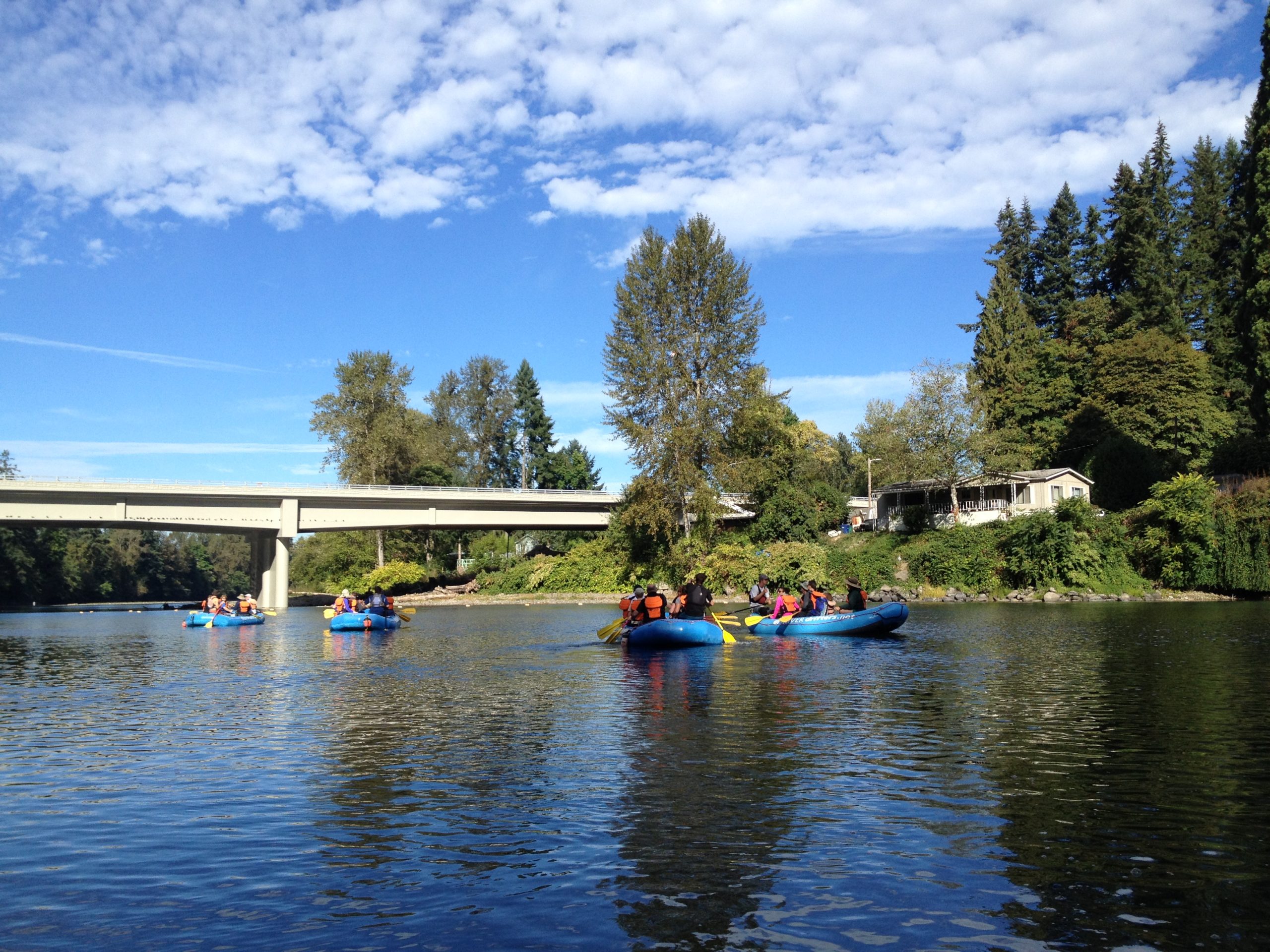
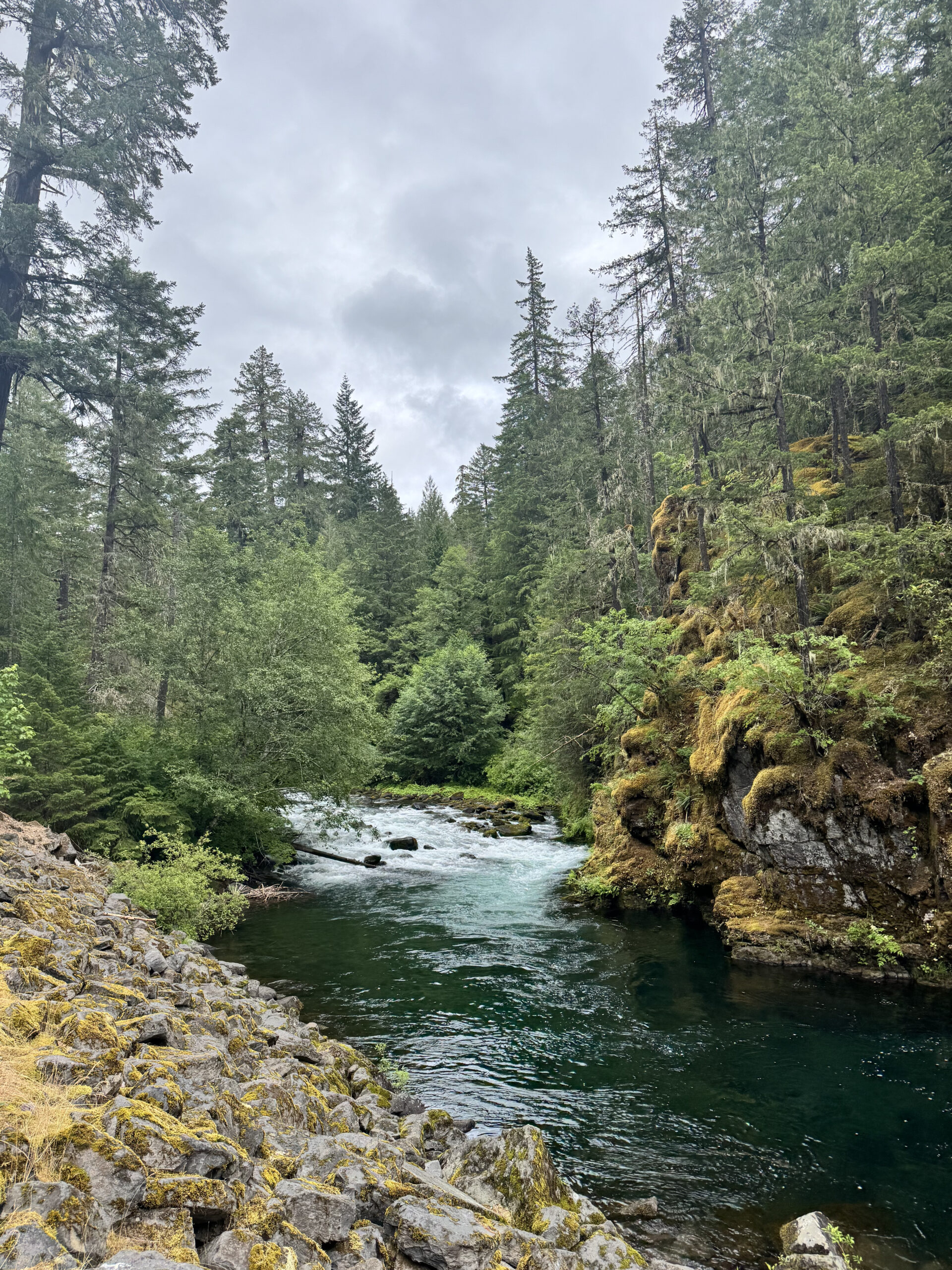
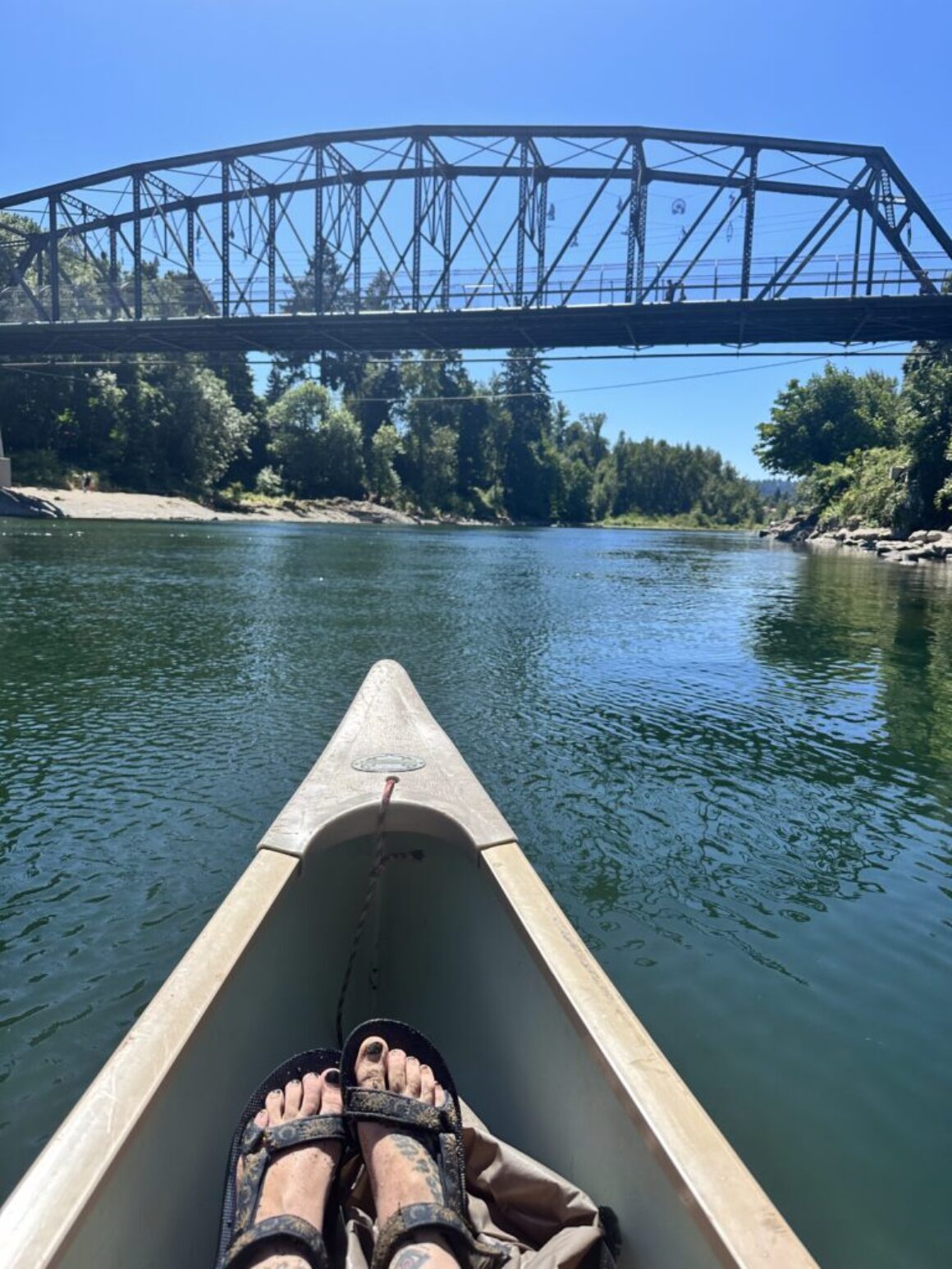
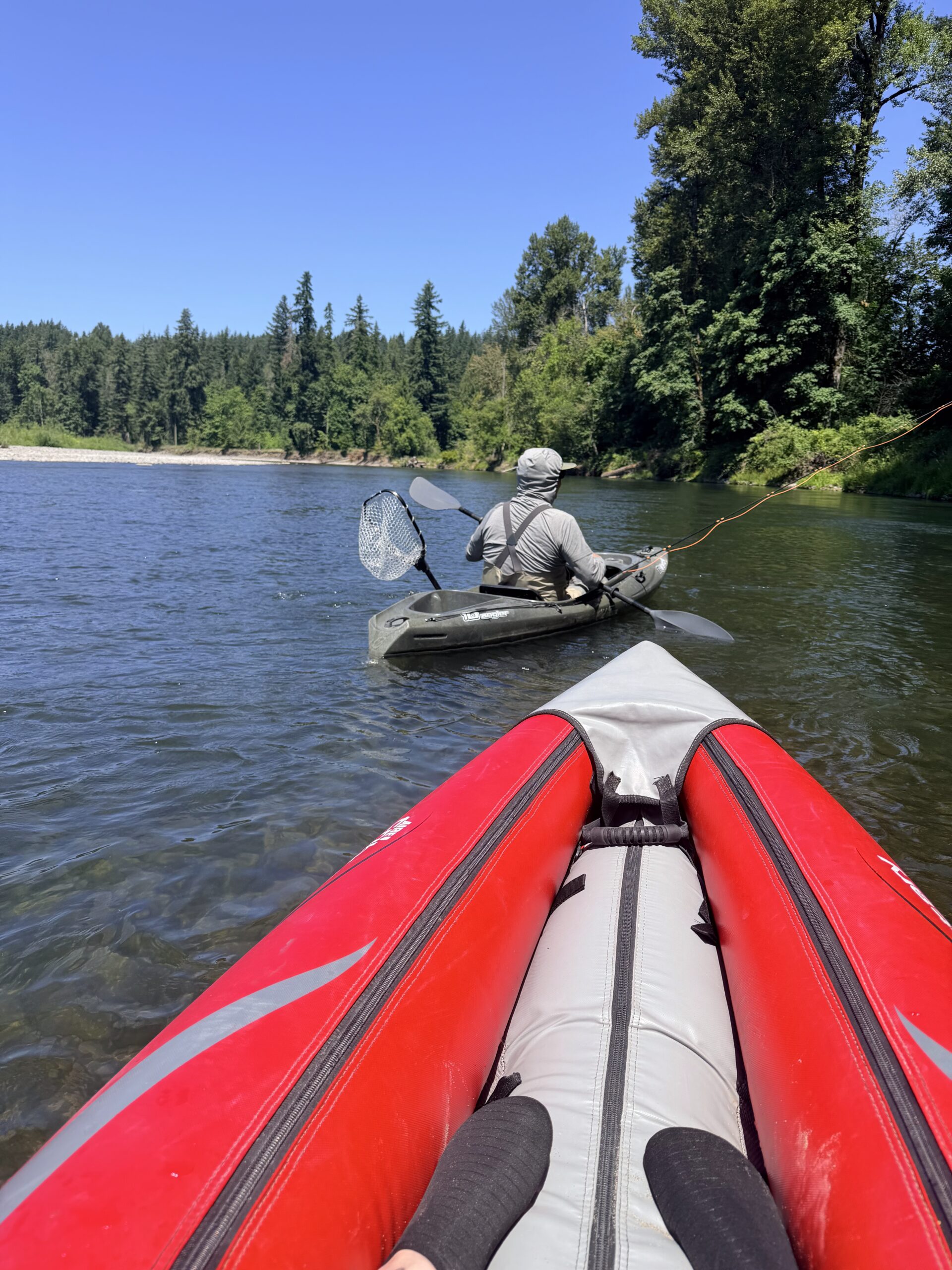
A float down the Clackamas is a great way to soak up the last days of summer. But while you’re watching the water and enjoying the scenery, there’s a lot happening along the riverbanks, too.
The Clackamas Water Trail passes through a living landscape shaped by wildlife, restoration and a long, rich cultural history. On your next float, keep an eye out for a few things that tell a bigger story about the river.
New Indigenous Art Along the River
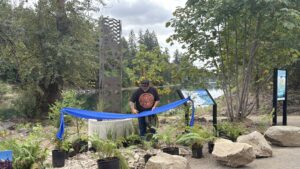
Visitors to Riverside and Barton Parks may notice something new this summer: permanent Indigenous artwork created by Bobby Mercier, a traditional carver and member of the Confederated Tribes of Grand Ronde.
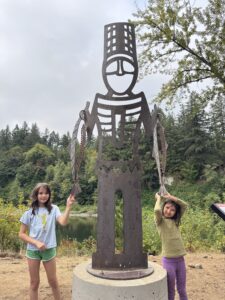
The sculptures are part of a project led by the Clackamas River Basin Council to bring traditional Indigenous artwork back to the banks of the Clackamas and recognize the communities that have cared for this watershed since time immemorial.
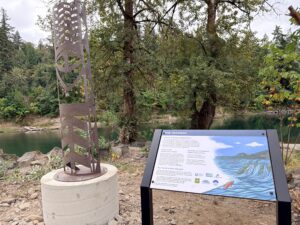
At Riverside Park, Mercier’s sculpture The Headman was officially celebrated with a ribbon-cutting and dedication on August 12. Mercier and his family marked the occasion with traditional Indigenous drum and song.
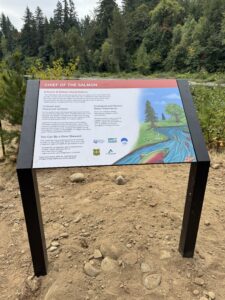
A second sculpture Chief of the Salmon has been installed at Barton Park, and another The Power Figure will be installed at Milo McIver State Park in September 2026. Interpretive panels accompanying the artwork share cultural and ecological information about the Clackamas River watershed by tribal artist Chanti Mańon.
Traditional artwork once existed throughout the basin, and these new pieces help restore a visible connection between the river and its Indigenous history.
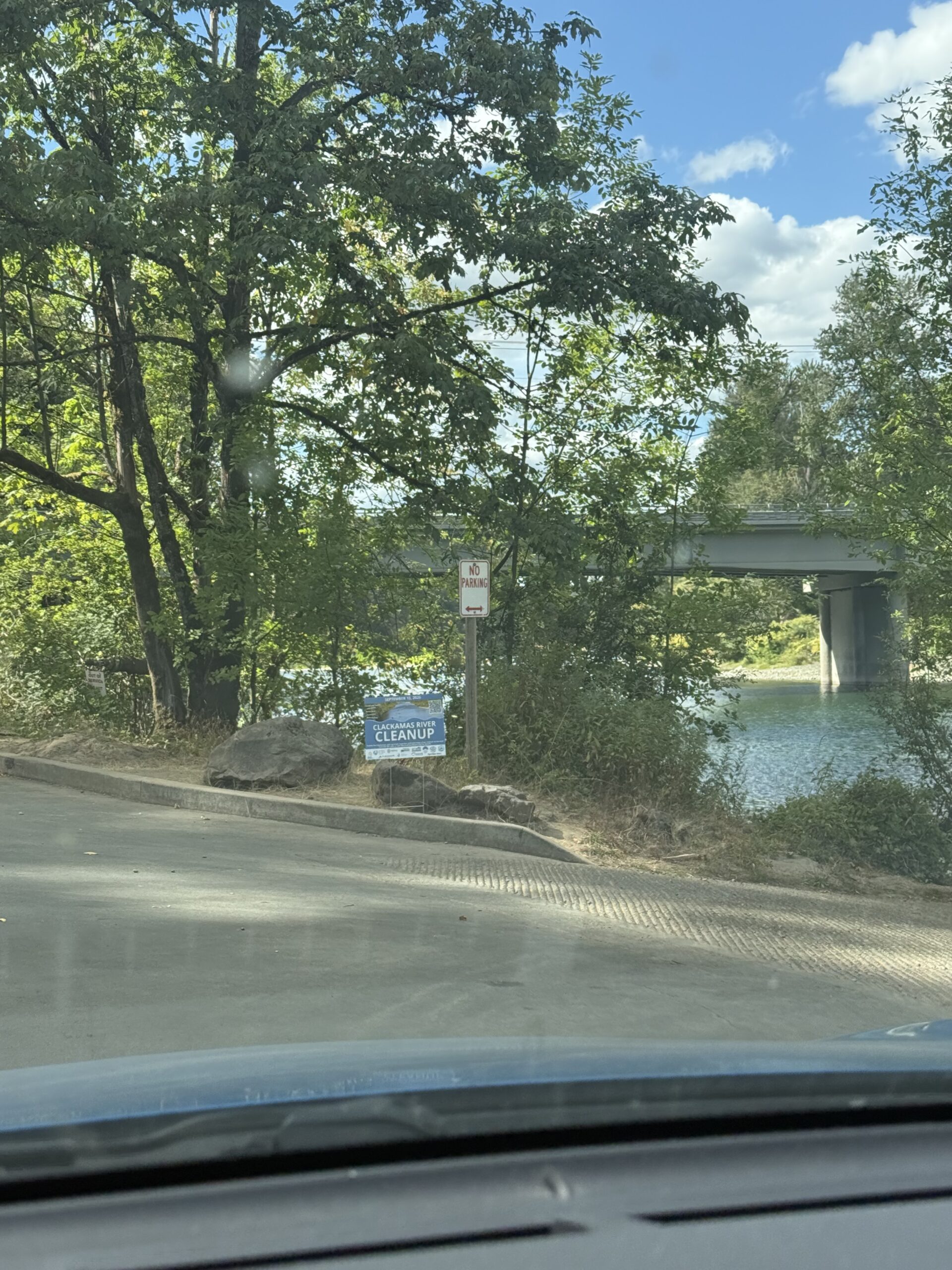
If you’re launching, taking out or stopping at one of these parks, take a few minutes to see the artwork and learn more about the place you’re exploring.
Changes Coming to Clear Creek
Another place worth watching is where Clear Creek meets the Clackamas near Carver.
Clear Creek provides important cold-water habitat for native fish, including salmon and steelhead, and the confluence is currently the focus of a restoration project being developed by the Clackamas River Basin Council and partners.
The project is designed to improve habitat around the mouth of Clear Creek and a nearby alcove. Future work will include adding large wood, improving streamside vegetation, removing invasive plants and creating more complex places for fish to rest, feed and find refuge.
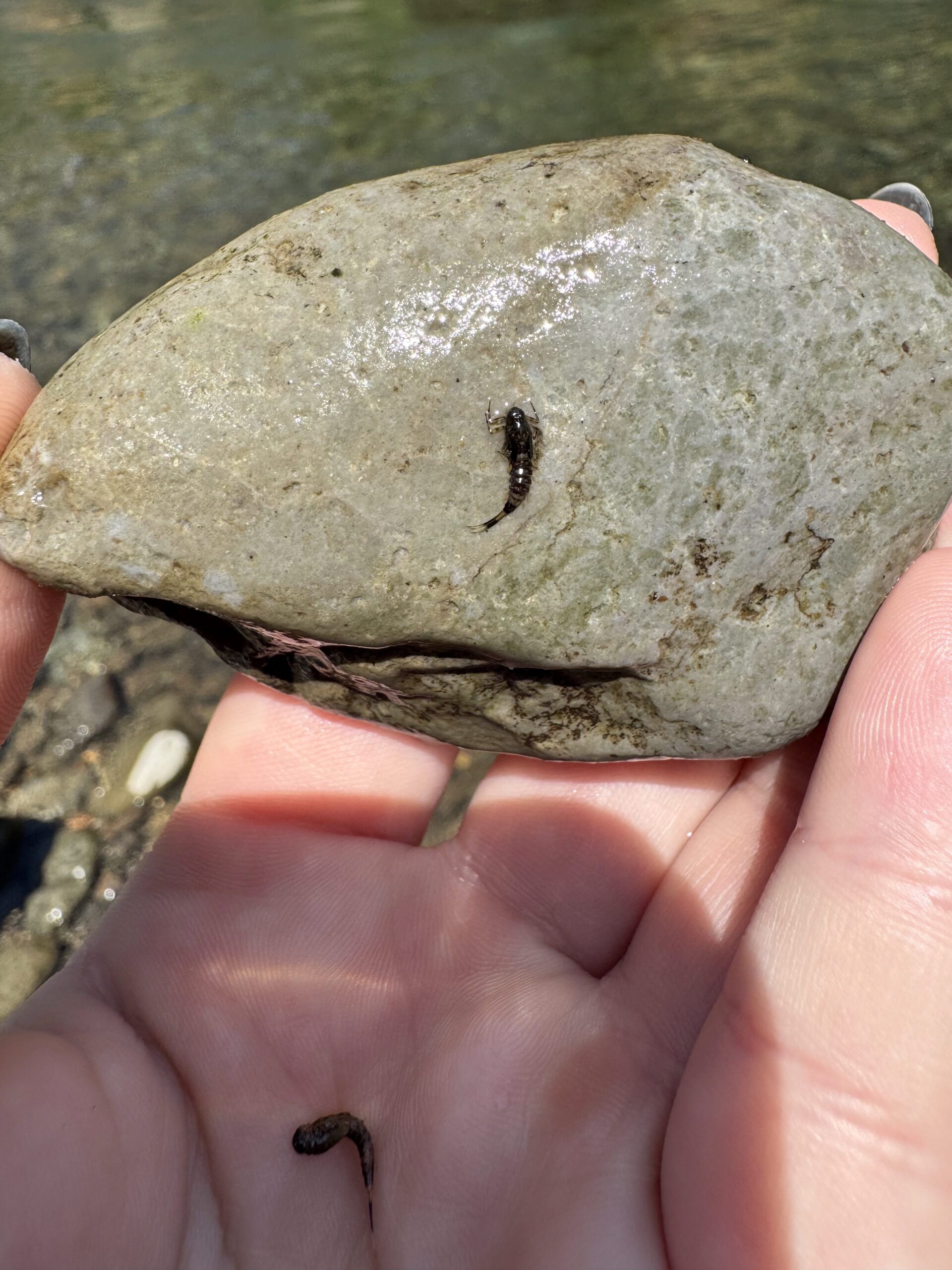
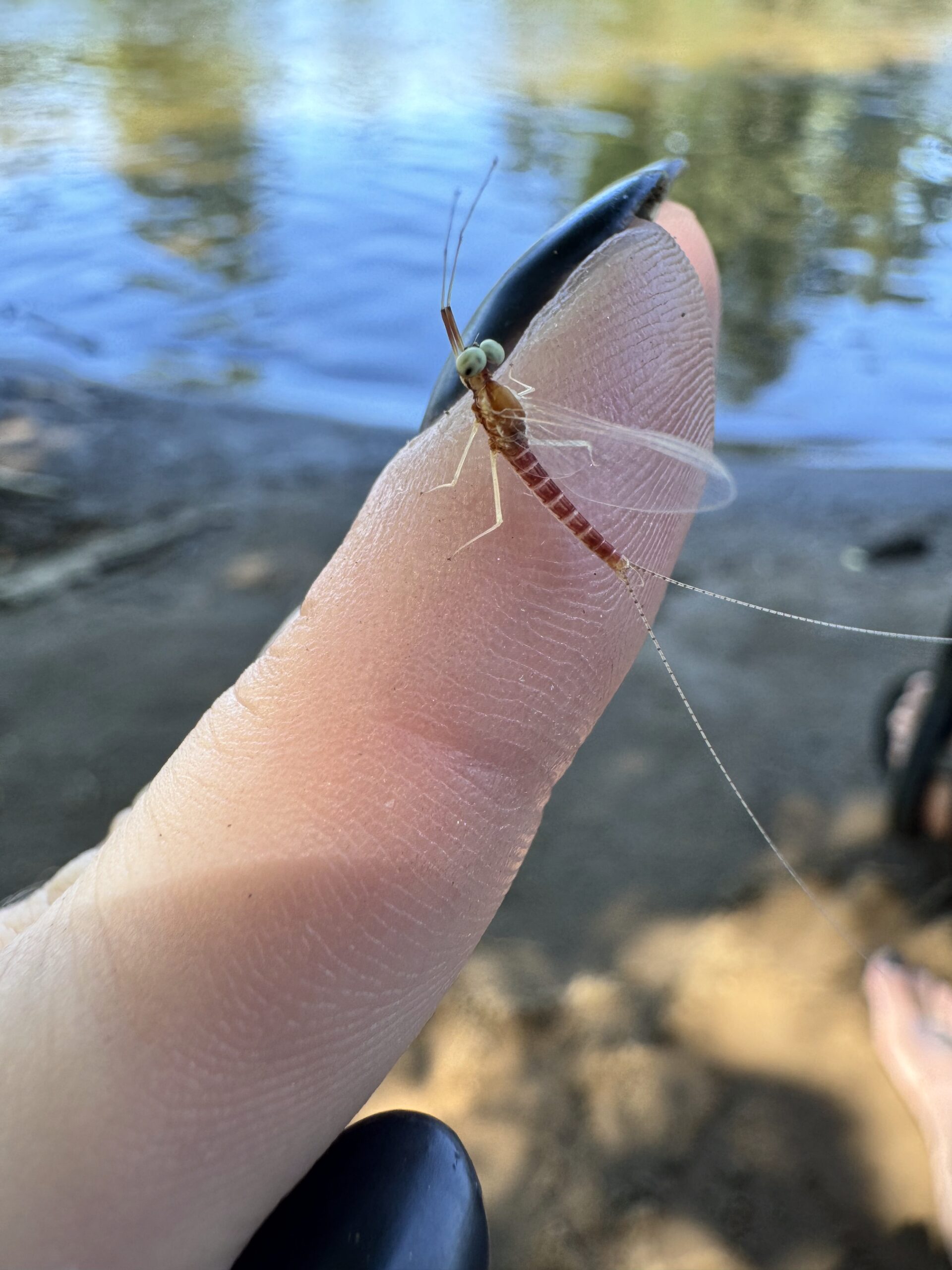
Large logs, side channels and uneven riverbanks might look messy compared with a perfectly clear channel, but that complexity is part of a healthy river. Wood slows and redirects water, creates pools and provides important cover for young fish and a food source for the aquatic insects that feed them.
Signs of a Healthy, Working River
You may spot other signs of restoration along your float, too.
Young native trees and shrubs, large wood structures, areas where invasive plants have been removed and crews or volunteers working near the water can all be signs that people are actively caring for the watershed.
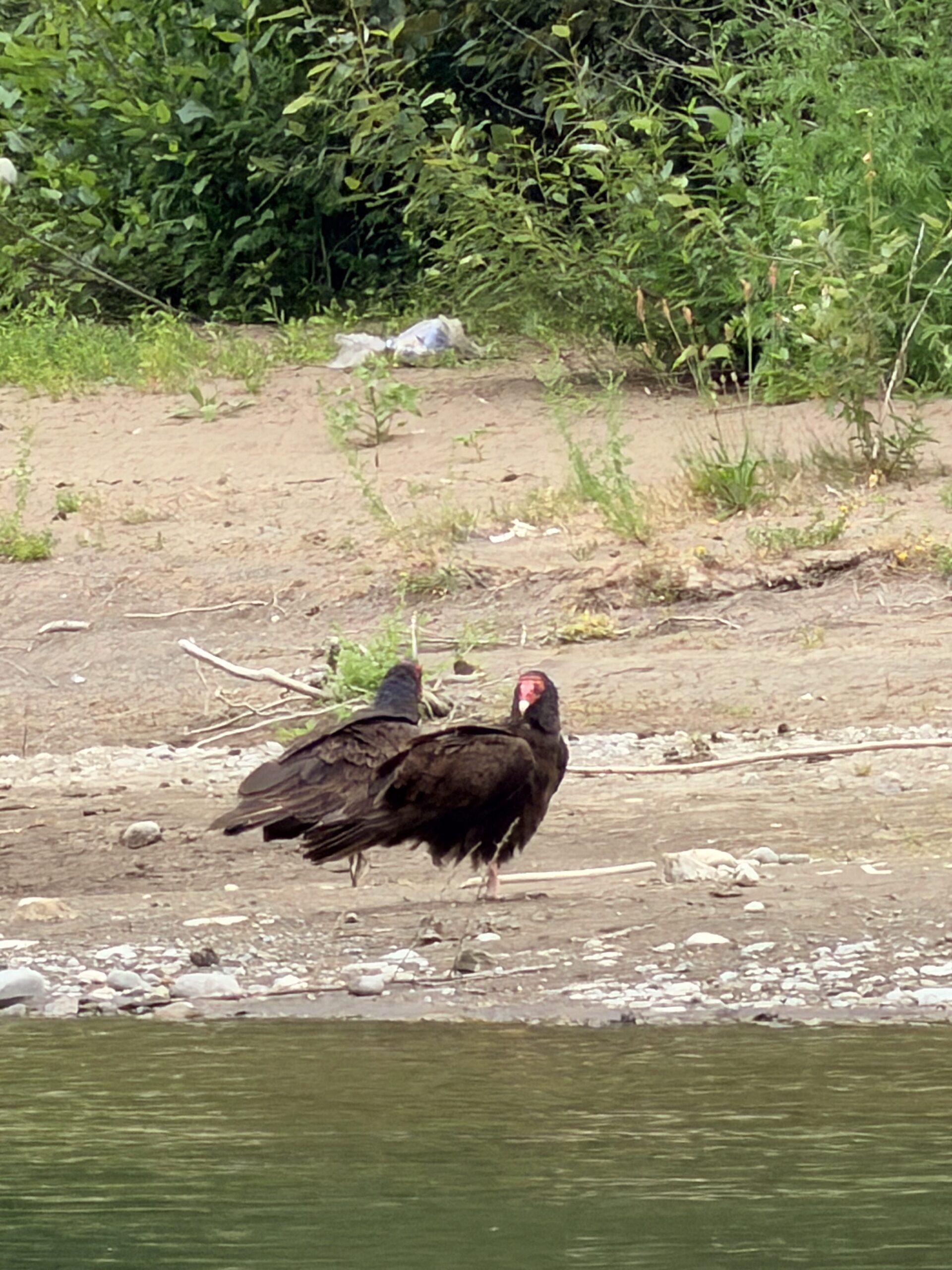
You might also see wildlife taking advantage of that habitat. Watch for great blue herons along the shoreline, osprey overhead, dragonflies patrolling the water, beaver activity and, if you’re lucky, fish moving beneath you.
Take a Second Look
As summer starts shifting toward fall, it’s a great time to experience the Water Trail a little differently.
On your next trip, look beyond your put-in and take-out. Notice where a tributary meets the main river. Check out the new artwork at Riverside or Barton. Look for large wood, streamside vegetation and wildlife along the banks.
The things you pass on a float are all part of a much bigger story about the Clackamas: its history, its communities and the ongoing work to keep it healthy.
Before heading out, use the Clackamas Water Trail interactive map to choose your route, find official access points and learn more about the river you’ll be exploring.
Sometimes seeing the Clackamas differently just means knowing what to look for.
The River Is Always Creating
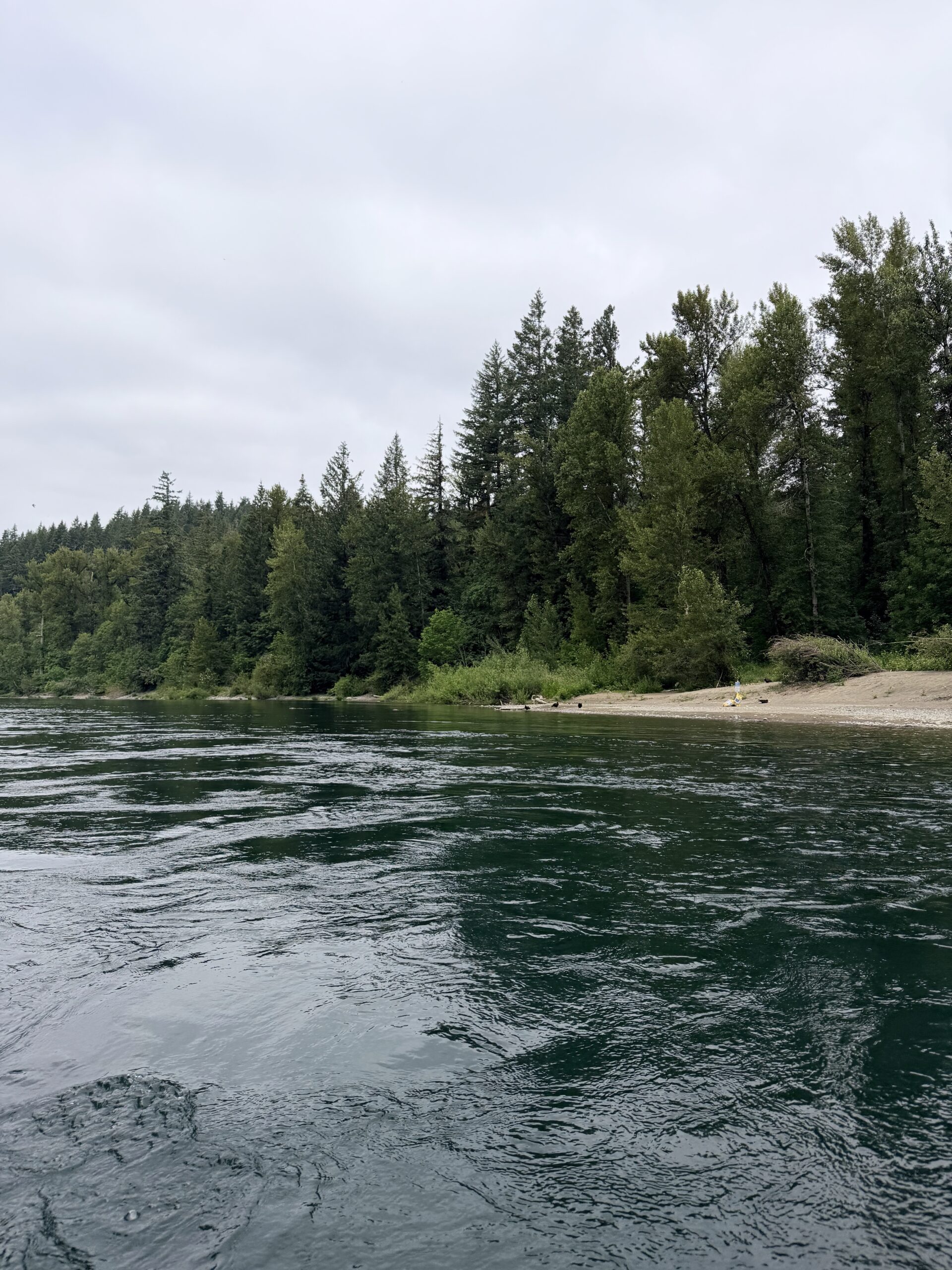
The Clackamas isn’t just habitat and drinking water, it’s also a place that inspires people.
Its colors, textures, wildlife, plants and constantly changing water have long made rivers natural subjects for artists. And you don’t need a studio or fancy supplies to find something worth creating.
Bring a sketchbook to the riverbank. Photograph the patterns in river rocks or reflections on the water. Press leaves from plants collected responsibly away from sensitive areas, or use what you see along your float as inspiration for a painting, poem, nature journal or other project when you get home.
For kids, a river trip can become an easy nature scavenger hunt: How many different leaf shapes can you find? Can you spot a dragonfly? A great blue heron? Evidence of a beaver? How many colors are hiding in what first looks like a landscape made entirely of green?
The goal doesn’t have to be making something perfect. Art is another way to slow down, pay attention and build a relationship with the places around us.
Want to do more?
The Clackamas River Basin Council is a nonprofit watershed council that works with partners and communities to restore and protect the Clackamas River watershed. Visit CRBC to learn more about restoration projects, volunteer opportunities and ways to get involved.
If you are a resident of the Clackamas Watershed, consider taking the Pesticide Pledge and you will receive a free metal yard sign (seen below) to show off your stewardship 😉
Also, before heading out, don’t forget to use the Clackamas Water Trail interactive map to choose a route, locate official access points, and learn more about the places you will pass. Check current conditions, review river safety and etiquette, and grab a Stash The Trash Bag to leave the river a little better than you found it!
Thank you for caring
The Clackamas River is undoubtedly an irreplaceable environmental treasure for all living creatures in the basin, thank you for your care and dedication to keeping it clean and pristine.
 About the Author:
Dakota Hufford is the Outreach & Stewardship Coordinator for the Clackamas River Basin Council (CRBC).
All photos used were taken by Dakota.