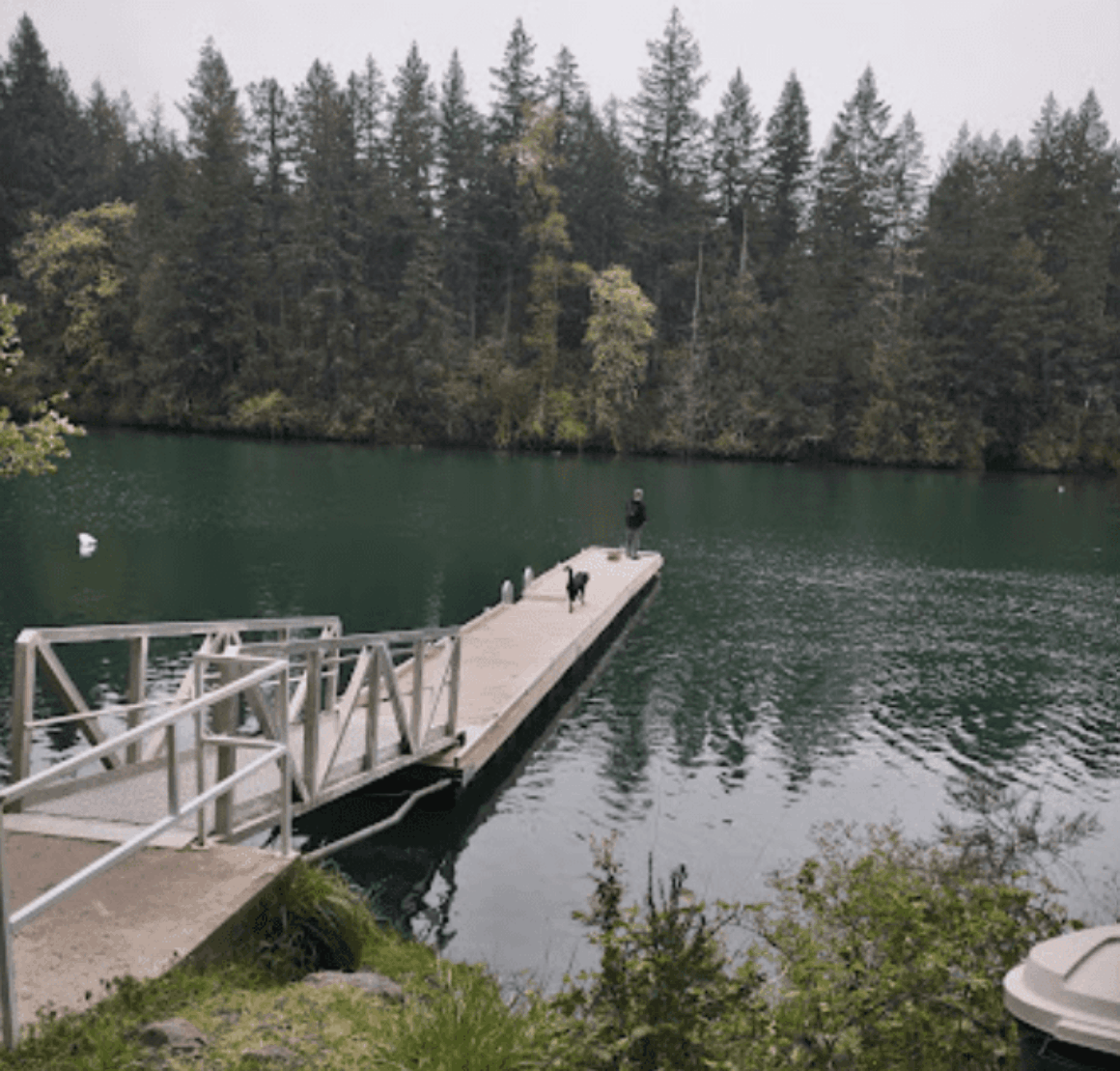
The Clackamas River offers an incredible variety of ways to get outside and enjoy the water, and fishing is one of them. From standing quietly along the bank with a fishing rod to wading into the river with a fly rod or heading out by kayak, drift boat or motorboat, there are opportunities to fish throughout the Clackamas River system.
Depending on where you go and the time of year, you may encounter salmon, steelhead and trout, bass and other warmwater fish — and potentially even sturgeon in the lower reaches of the river system. Part of the fun is that fishing the Clackamas isn’t one experience. The river changes tremendously as you travel from its lower stretches toward Estacada and into the Upper Clackamas.
Salmon and Steelhead
Salmon are probably some of the best-known fish associated with the Clackamas River. Different runs move through the river at different times of year, including Chinook and coho salmon. Steelhead also make their way through the Clackamas, giving anglers another reason to head to the river during cooler parts of the year.
Fishing for salmon and steelhead can mean standing along the bank, wading into an appropriate section of river, drifting from a boat or finding a favorite hole and patiently waiting. The important thing is to know the current Oregon fishing regulations before you go. Seasons, open areas, allowable methods, hatchery versus wild fish rules and retention limits can change throughout the year.
Trout
Travel farther into the Clackamas River system and you’ll also find opportunities to fish for trout. Trout fishing can be especially fun with a traditional rod or a fly rod. There is something peaceful about standing in or alongside the river, reading the water and watching for the places where fish might be holding.
The upper river, lakes and tributaries can offer very different trout-fishing experiences from the Lower Clackamas. You can spend a day exploring smaller stretches of water or make fishing part of a larger trip into the Upper Clackamas.
Bass and Warmwater Fish
The Clackamas system isn’t only about salmon and trout. Bass and other warmwater fish can be found in slower and warmer sections of the river and connected waters. These can be especially fun fish for families and recreational anglers because you can explore calmer water from shore, a kayak, SUP or small boat.
And Possibly a Sturgeon
Every once in a while, the Clackamas can offer a surprise. Sturgeon are primarily associated with the Columbia and Willamette river systems, but they can move into connected lower tributary waters. They shouldn’t be considered an everyday Clackamas River catch, but their possible presence is another reminder of how interconnected our rivers really are.
So Many Ways to Fish
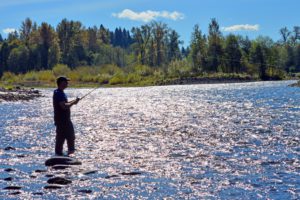
One of the great things about the Clackamas is that you don’t necessarily need a boat or expensive equipment to enjoy fishing. You can grab a rod and fish from the bank, find an appropriate area to wade and fly fish, or explore the river from the water.
Fly fishing gives you an opportunity to slow down, read currents and work different sections of water. Traditional rod-and-reel fishing can be done from shore or a boat and opens up many different techniques depending on the fish you’re pursuing. Whatever method you choose, part of successful fishing is learning to read the river and understanding how the water changes from one section to another.
Fishing From the Bank — and Understanding the Basalt
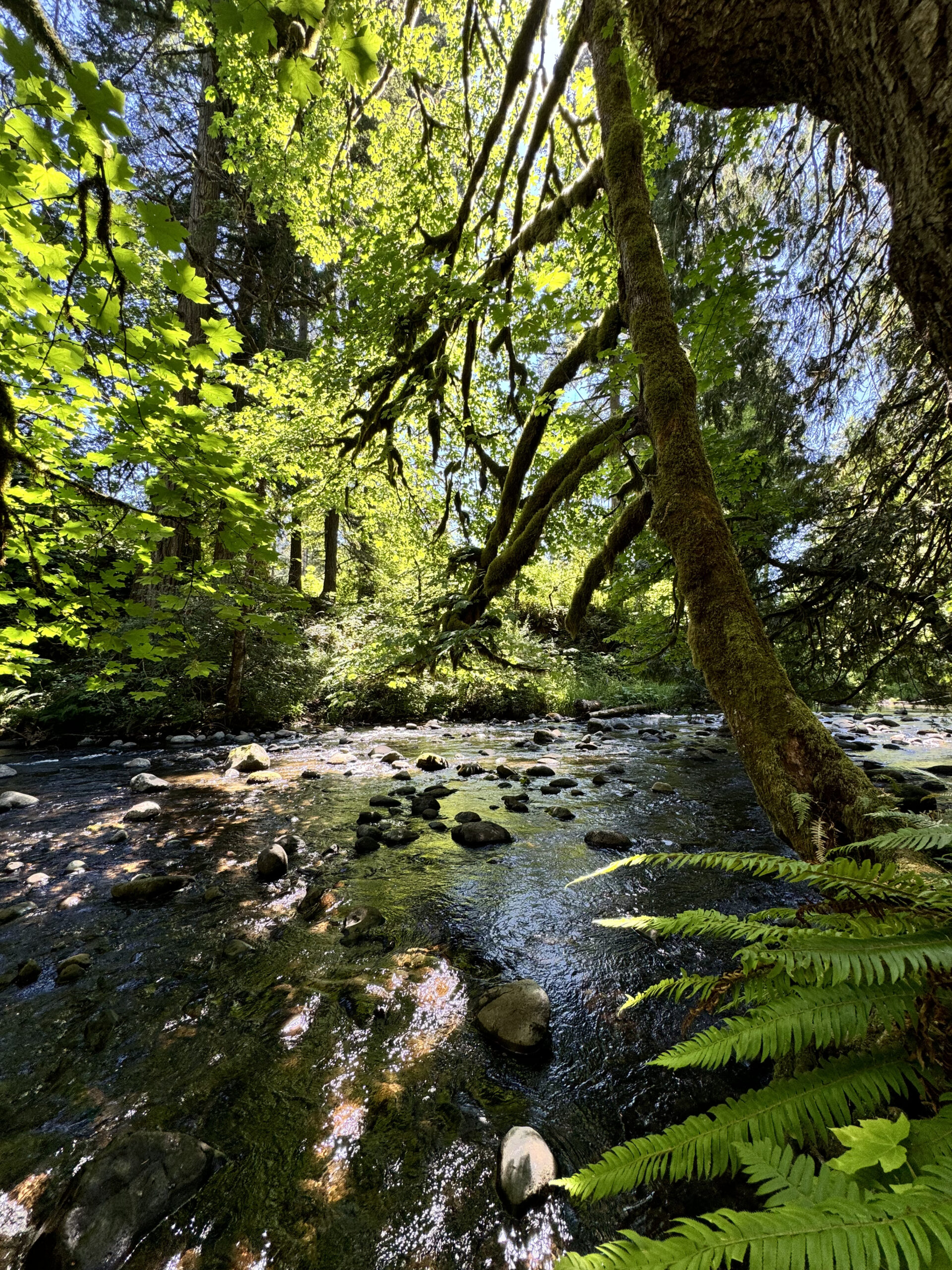
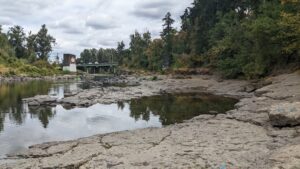
There are many places along the Clackamas where you can fish directly from the bank, but this is also where understanding the river becomes especially important. Some sections of the Clackamas contain basalt shelves, which can make the river bottom deceiving.
You can be standing in water that seems shallow and manageable and then suddenly encounter a significant drop-off. What looks like a gradual river bottom from above may actually have a shelf underneath it. If you’re wading, move carefully and don’t assume that because one step is shallow the next one will be too. Current speed, cold water, slippery rocks and changing river levels all add to the risk. A personal flotation device is always worth considering when you’re fishing in or immediately alongside moving water.
Fishing From a Kayak or SUP
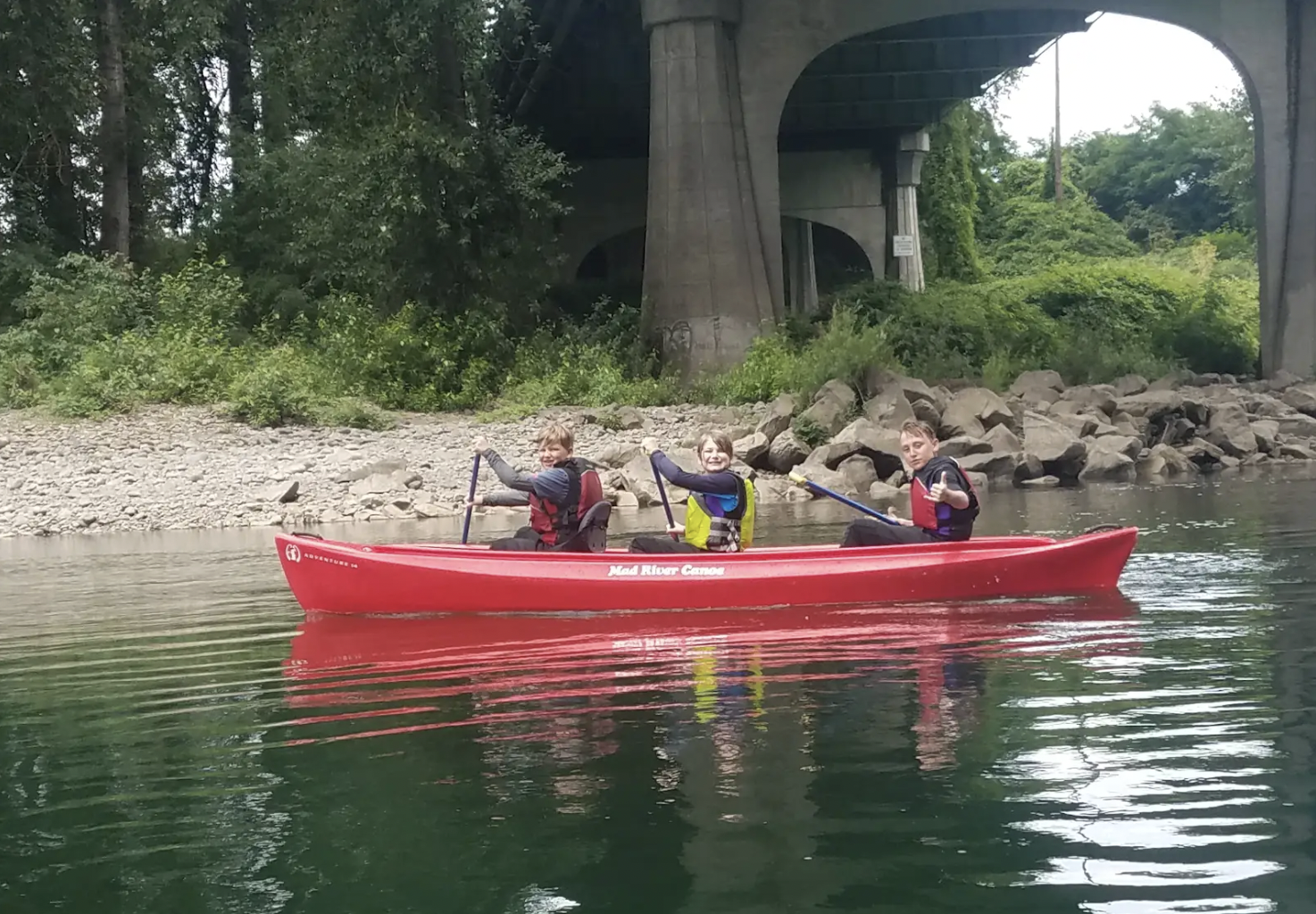
A kayak can be a fantastic fishing platform on calmer sections of the Clackamas and its lakes. It allows you to quietly explore shorelines, eddies and areas that can be difficult to reach from land. Stand-up paddleboards can also be used for fishing, particularly on calmer water, but they require good balance and awareness of wind and current.
Remember that you’re sharing the water with paddlers, swimmers, rafters and other recreationists. Wear a properly fitted PFD, know the water you’re entering before heading out and be prepared for conditions to change.
Drift Boats, ClackaCrafts and John Boats
Drift boats — including the ClackaCraft boats you’ll commonly see in the Northwest — are another great way to fish sections of the Clackamas. John boats and other shallow-draft boats may also work well in appropriate areas.
Each boat has different capabilities, and the section of river you choose should match both your boat and your experience. What works well on a deeper, slower section of river may not be appropriate once the water becomes shallower, faster or rockier.
Fishing From a Motorboat
Motorboats provide access to portions of the Lower Clackamas, but how far upstream you can safely travel isn’t a single fixed answer. River level, current, exposed rocks, gravel bars, rapids, the type of motor and hull, and the operator’s experience all matter.
A boat capable of navigating shallow, rocky water is very different from a conventional propeller-driven recreational boat. Conditions can also change considerably throughout the year, so if you’re unfamiliar with a section of the Clackamas, learn about it before attempting to travel upstream by motor.
Exploring the River From Sportsman’s Marina to McIver
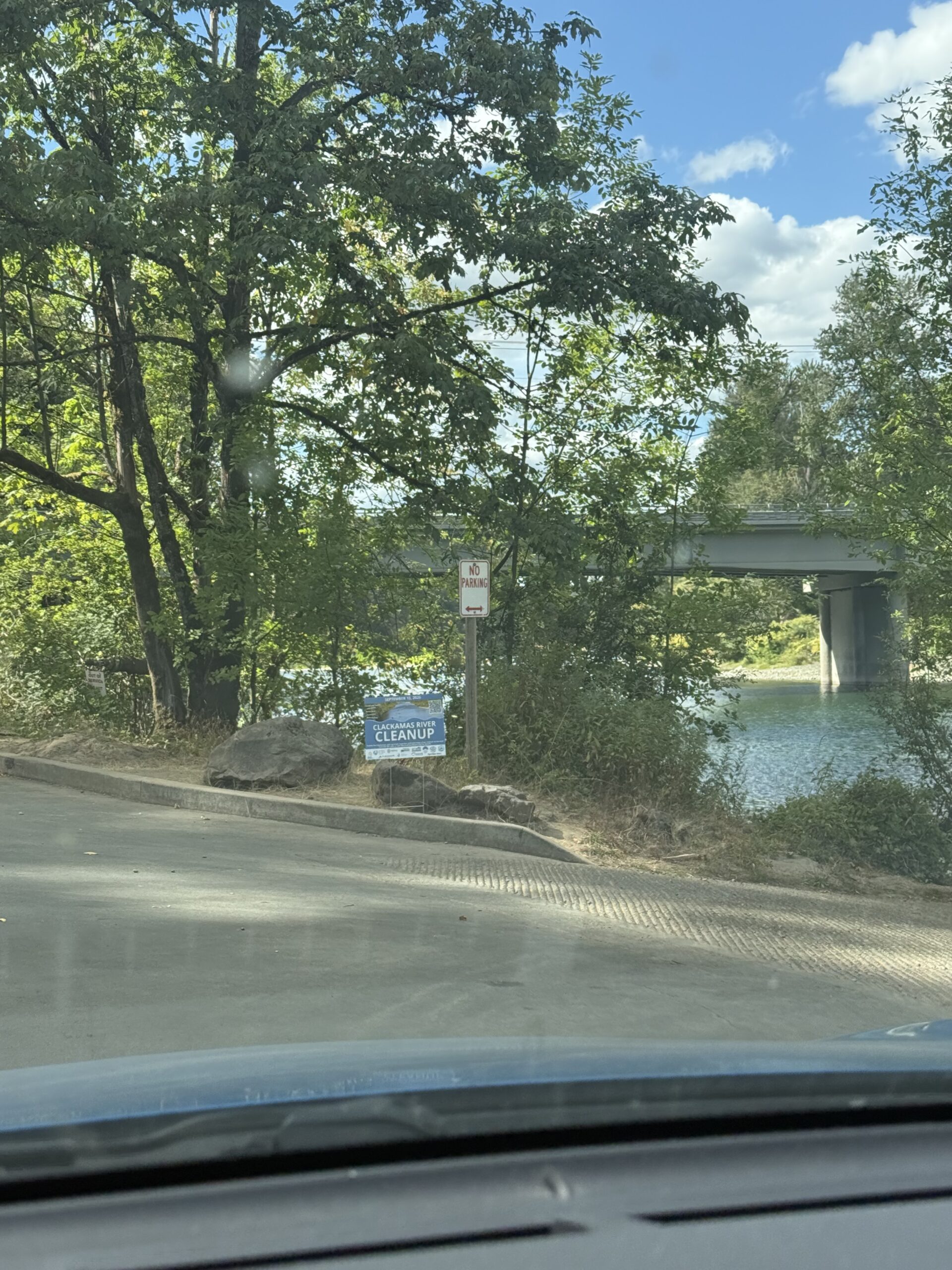
One of the wonderful things about fishing the Clackamas is the number of places where you can access the river. Starting downriver, Sportsman’s Marina provides access near the lower river. Continue upstream and you’ll find access around Riverside Park, followed by Carver and Barton Park.
Farther upstream is Milo McIver State Park, which provides access to different sections of the Clackamas River system. McIver is particularly interesting because you can access both the river and the Estacada Lake area, creating very different fishing and boating experiences within a relatively small geographic area.
Fishing Estacada Lake
Estacada Lake offers a completely different experience from fishing the faster-moving Lower Clackamas. The reservoir provides opportunities to fish from shore or explore by kayak, SUP or boat. The water around the lower end of the lake near the boat ramp and dam area can become quite deep, so pay attention to your surroundings and your depth when fishing.
Estacada Lake is also a popular paddling destination. Kayakers and stand-up paddleboarders frequently travel up the lake and river, particularly during warmer months, so boat operators should keep a lookout, control their speed and give human-powered watercraft plenty of room.
Faraday Lake and the Clackamas River Trail
Continue exploring the Clackamas River corridor and you’ll reach Faraday Lake. This area offers another opportunity to slow things down, walk along the river corridor and find places to fish from shore. Depending on the location, conditions and regulations, anglers may also find areas where they can wade and fly fish.
It’s a beautiful part of the Clackamas River corridor and another example of how quickly the character of this watershed changes as you head upstream. Rather than simply driving to a fishing spot, exploring this area can become part of the day’s adventure.
North Fork and Promontory
The North Fork area provides still another fishing environment within the Clackamas system. Around Promontory Park you’ll find reservoir recreation, camping and access to the water. There are also smaller bodies of water tucked into this section of the corridor that can make for fun places to explore.
And while fishing may be the reason for the trip, sometimes the food afterward is part of the adventure too. The Promontory area has a small store where you can grab something to eat — including some surprisingly good Korean BBQ.
Small Fry Lake — Fishing Just for Kids
One of my favorite concepts along the Clackamas River corridor is Small Fry Lake. This small fishing pond is specifically designed to give young anglers an opportunity to fish and is stocked to help create an accessible fishing experience for kids.
For a child who has never caught a fish before, a small pond like this can be much less intimidating than standing beside the main Clackamas River. Bring a rod, practice casting and let them experience the excitement of feeling that first tug on the line. It’s a great way to introduce kids to fishing while also teaching them about fish, water safety and caring for the places where we recreate.
Keep Going: The Upper Clackamas
And then there’s the Upper Clackamas. As you continue into the mountains, the river becomes increasingly wild. The landscape changes, access changes and so does the fishing experience. It’s also one of the places where you can really appreciate where all that water flowing through Riverside, Carver and Barton came from.
This is a place to pay even greater attention to river conditions, road access, weather, fire restrictions and fishing regulations. Heading into the Upper Clackamas can become as much about exploring the watershed and spending a day outside as it is about what you catch.
Know Before You Go
Before fishing anywhere on the Clackamas River, check current Oregon Department of Fish and Wildlife regulations. Fishing seasons, closures, retention rules, species regulations and stocking schedules can change. Some wild fish must be released, while regulations for hatchery fish may be different.
Also remember that a fishing license doesn’t replace river knowledge. Wear a PFD when appropriate, watch changing water levels, be cautious when wading, understand the capabilities of your boat and never assume that because you’ve safely traveled through a section of river before it will look exactly the same the next time.
Fishing Is Another Way to Know the River
You don’t have to catch the biggest salmon — or even catch anything at all — for fishing to give you a different appreciation for the Clackamas. Fishing makes you slow down and start noticing things: where the current slows behind a rock, where the water deepens, where insects hover above the surface and where fish might be waiting beneath you.
Whether you’re fly fishing the Upper Clackamas, helping a child catch their first fish at Small Fry Lake, casting from the bank near Riverside, paddling a fishing kayak across Estacada Lake or heading out in a boat on the Lower Clackamas, you’re experiencing another side of this incredible river.
Grab a rod, find your piece of water and enjoy the Clackamas — safely, responsibly and with respect for the river and everything that calls it home.