So much more below
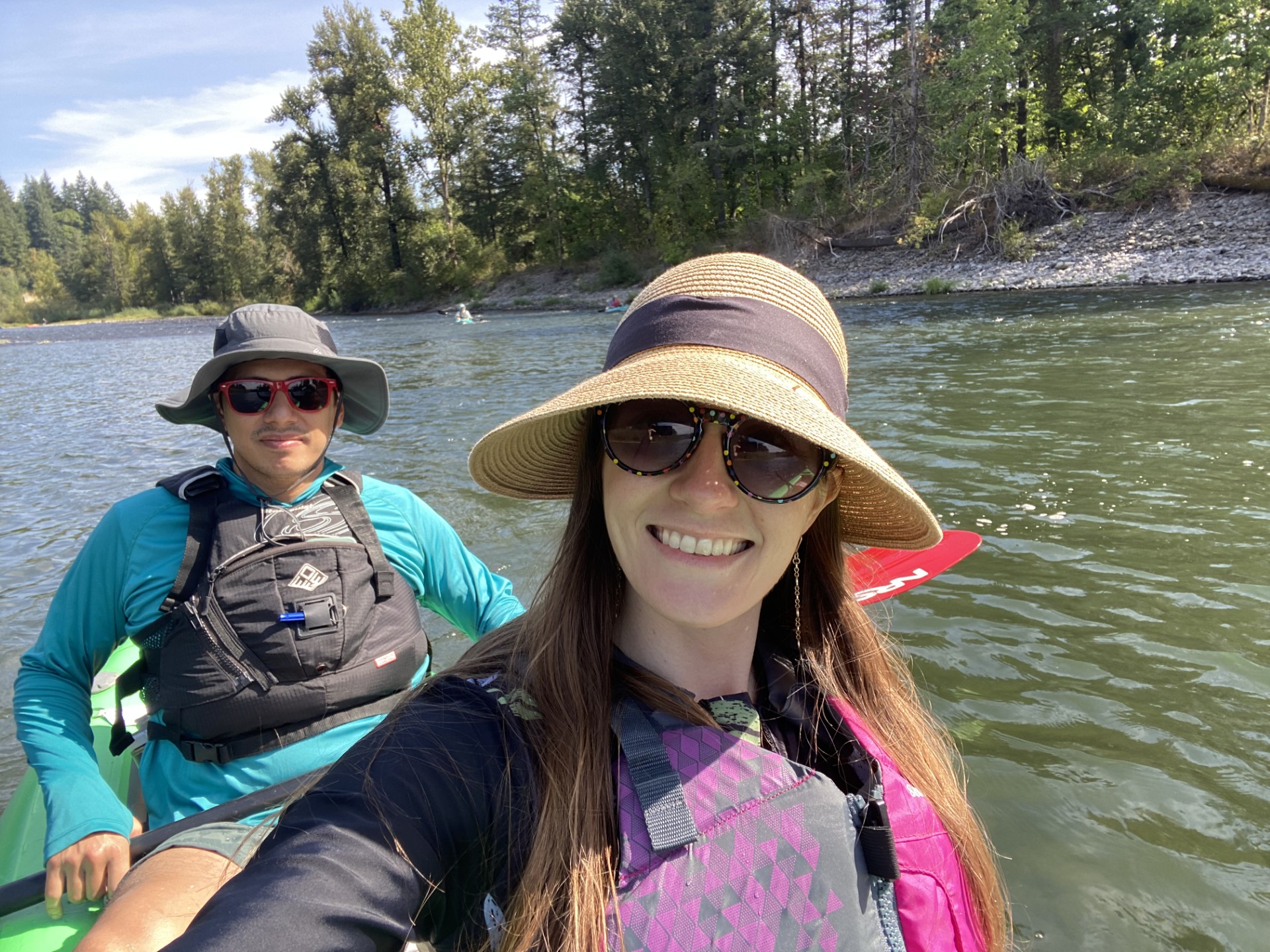
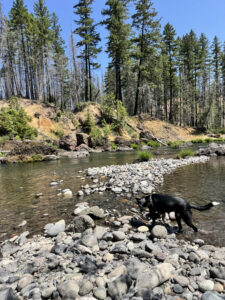 On a warm day, the Clackamas River can feel like pure escape. It is where we paddle, float, fish, swim, watch wildlife, and cool off with friends and family. But the water flowing around your feet or beneath your boat is doing much more than carrying you downstream. The Clackamas is also a source of drinking water for more than 300,000 people and essential habitat for salmon, steelhead, Pacific lamprey, and many other species.
That is part of what makes the Clackamas Water Trail so special. It is not only a route for recreation, but also a way to explore a living river that connects our communities, wildlife, forests, farms, neighborhoods, and backyards.
What Does “Good Water Quality” Really Mean? 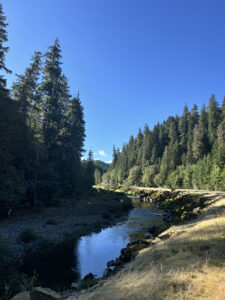
Overall, the Clackamas River has very good water quality, especially compared with many other rivers in Oregon. That does not mean the river is free from challenges. Water temperature, bacteria, sediment, litter, nutrients, pesticides, and other pollutants can all affect the health of the river and its tributaries.
Some of these issues are easy to see, like a plastic bottle caught along the bank or muddy runoff entering a creek after heavy rain. Others are nearly invisible. Water that looks clean can still be too warm for cold-water fish or contain small amounts of bacteria, nutrients, or chemicals.
Healthy water is about more than clarity. It also needs suitable temperatures, enough dissolved oxygen, stable stream banks, and habitat that allows fish and other aquatic life to feed, rest, reproduce, and move through the watershed. Learn more about the factors that influence Clackamas River health.
A Different Way to Float
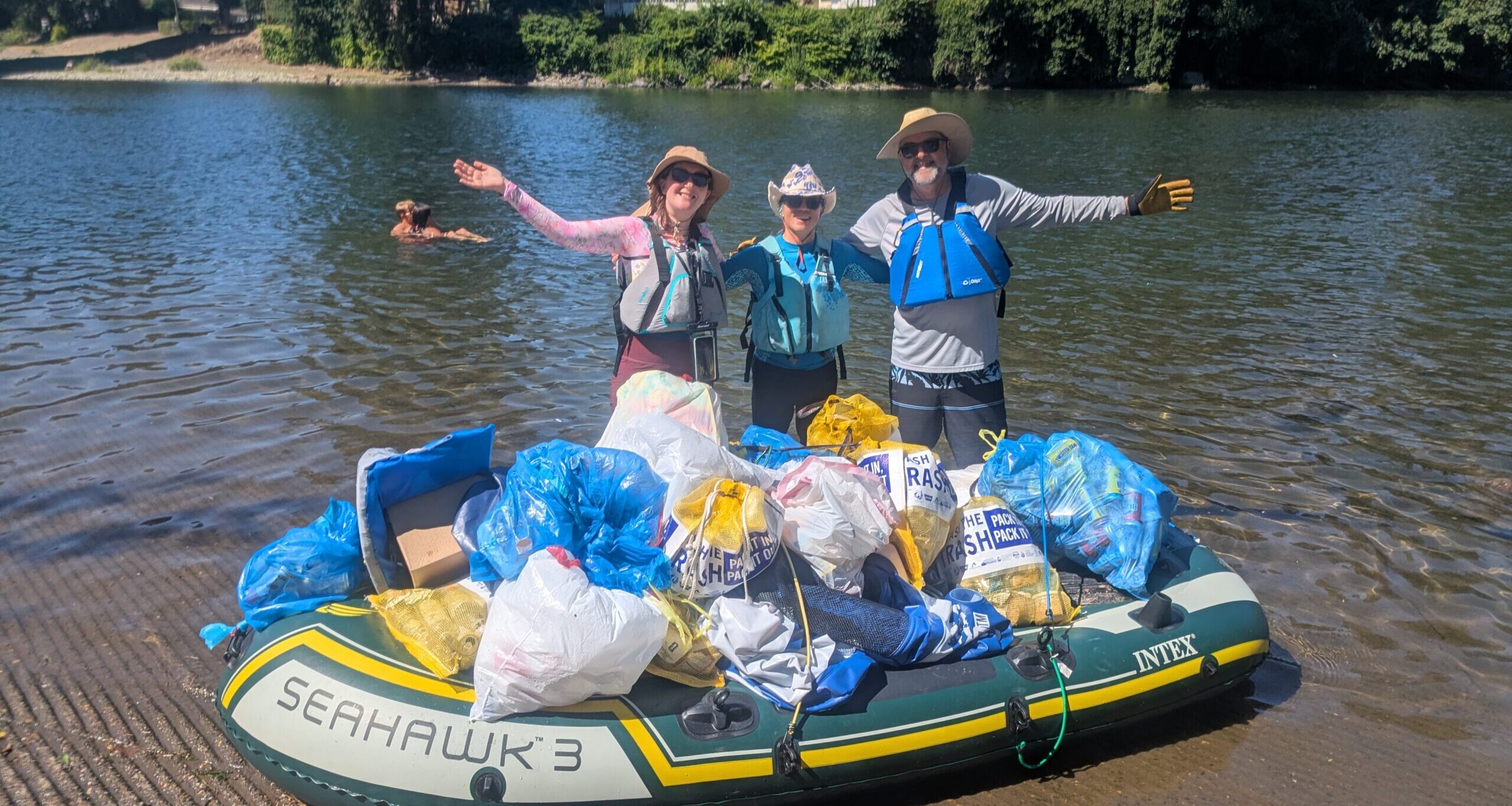
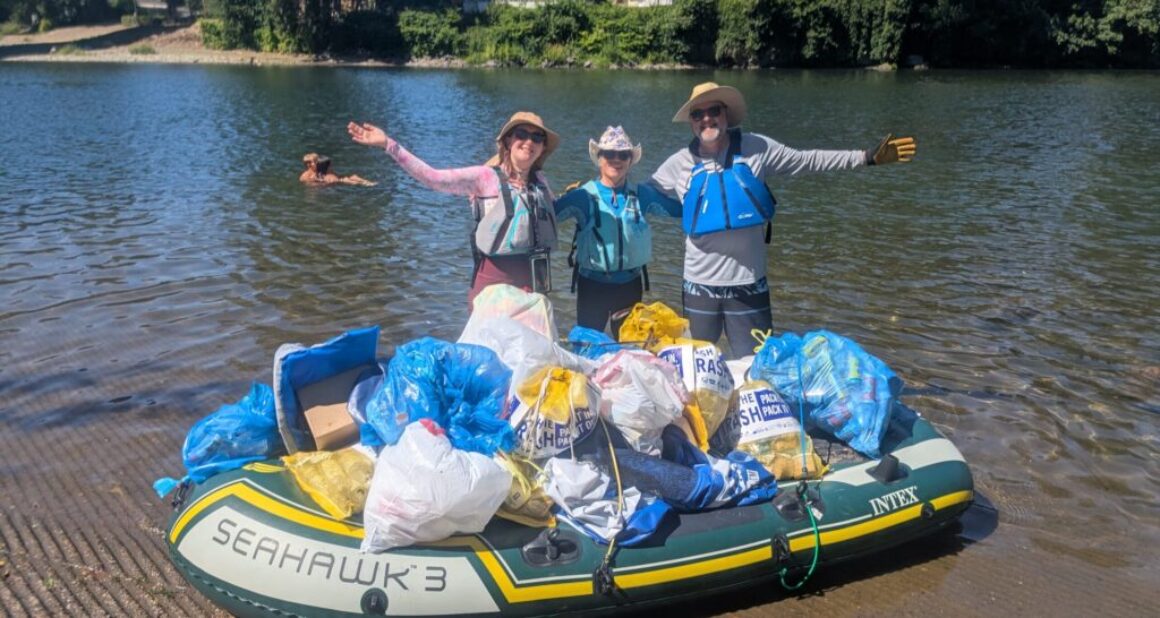
For one group of friends, a day on the Clackamas looks a little different. Tina, Erin and their friends have been cleaning the Clackamas River for years. They float the river, enjoy the cool water and warm breeze, and pick up what they can along the way.
Nearly every week during the summer, they launch at Barton Park and float to Carver while collecting litter along the way. Armed with grabbers, bags, and plenty of enthusiasm, they remove everything from beverage cans and plastic bottles to abandoned inflatables and fishing line before those items can travel farther downstream.
The Clackamas River Basin Council provides Stash the Trash bags, but it’s the River Ambassadors who provide the dedication. Week after week, they choose to spend part of their recreation time caring for a river they love.
They still enjoy the float.
They simply leave the river a little better than they found it.
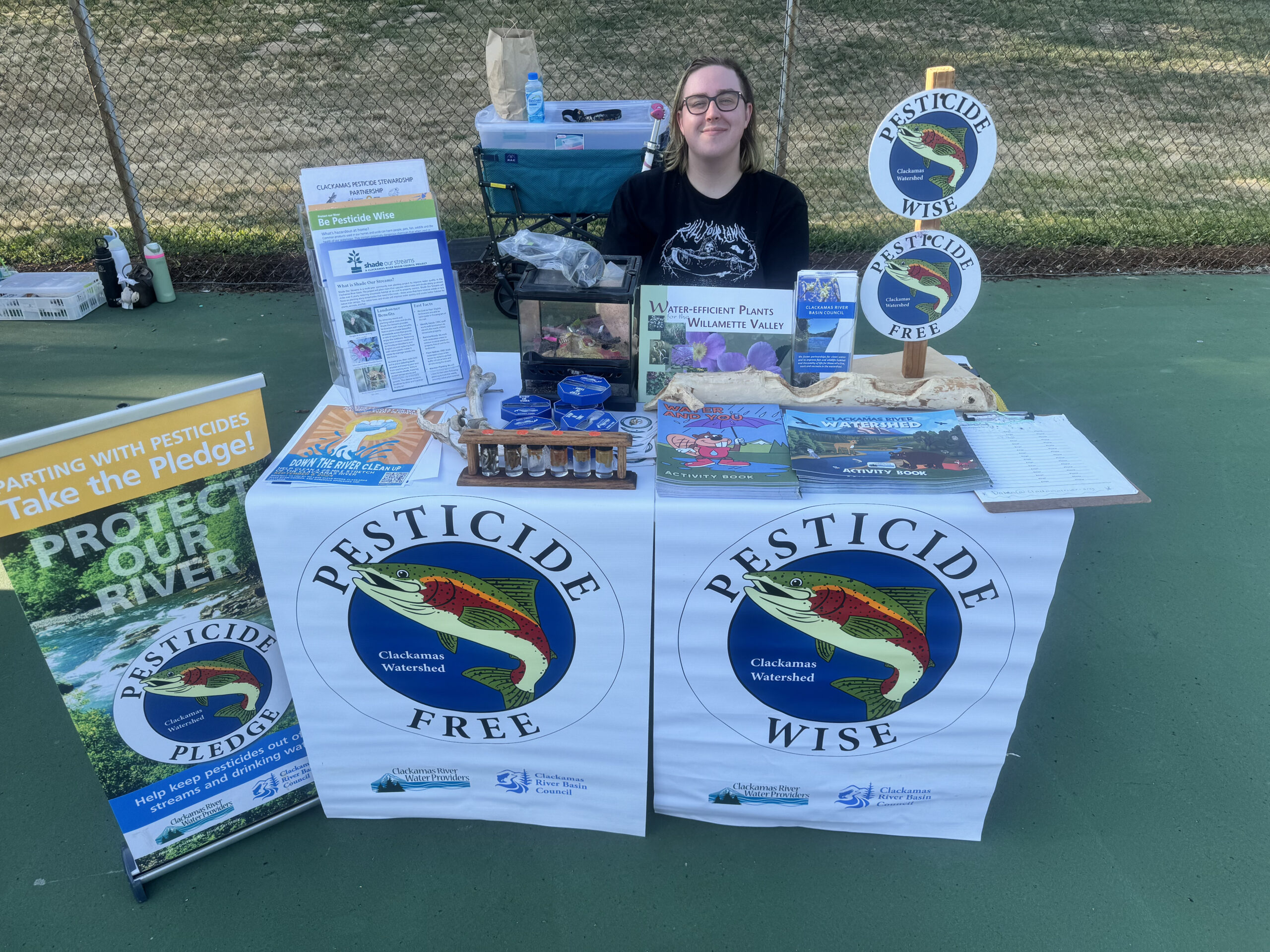
Pesticides In The Clackamas
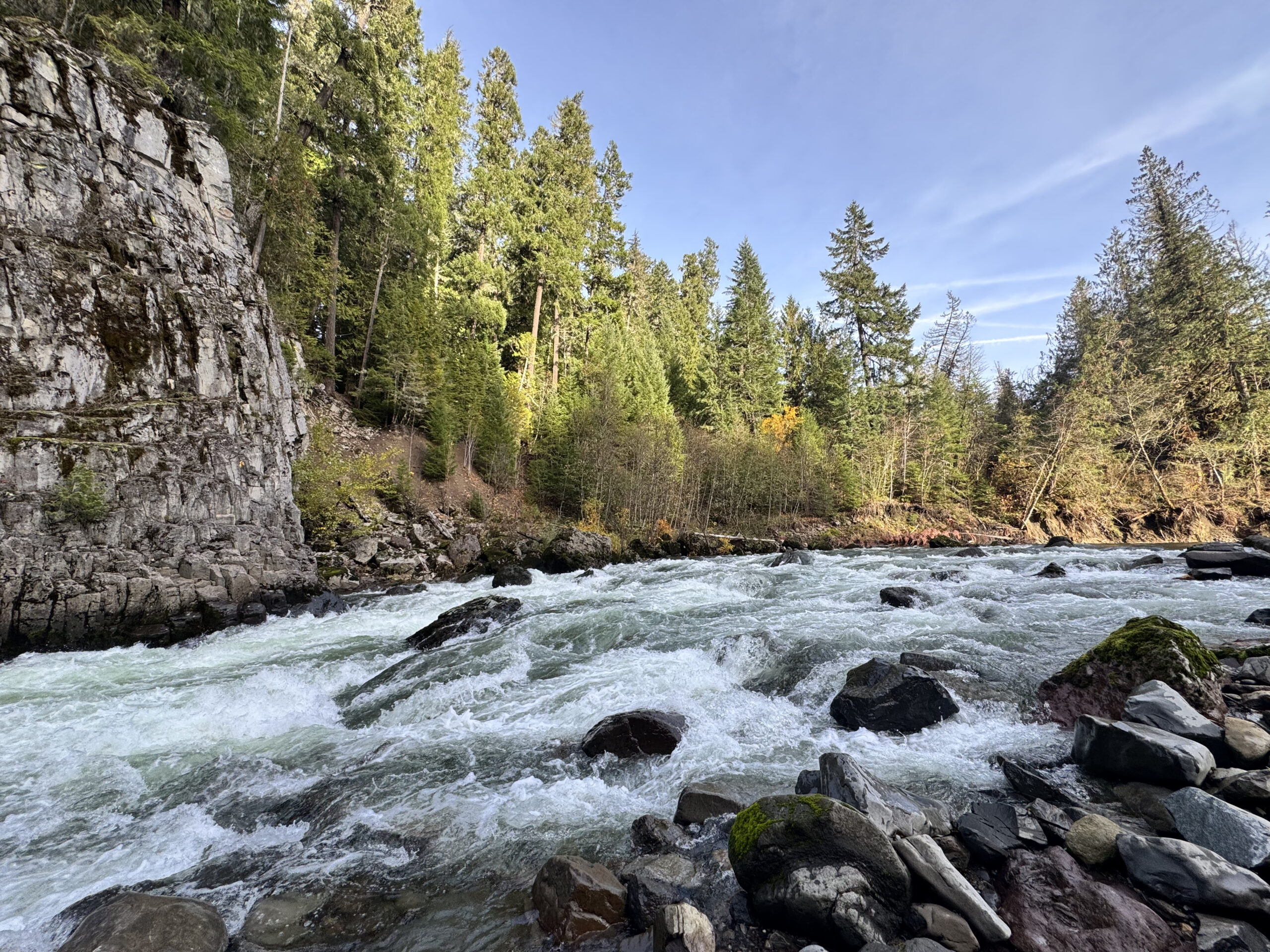
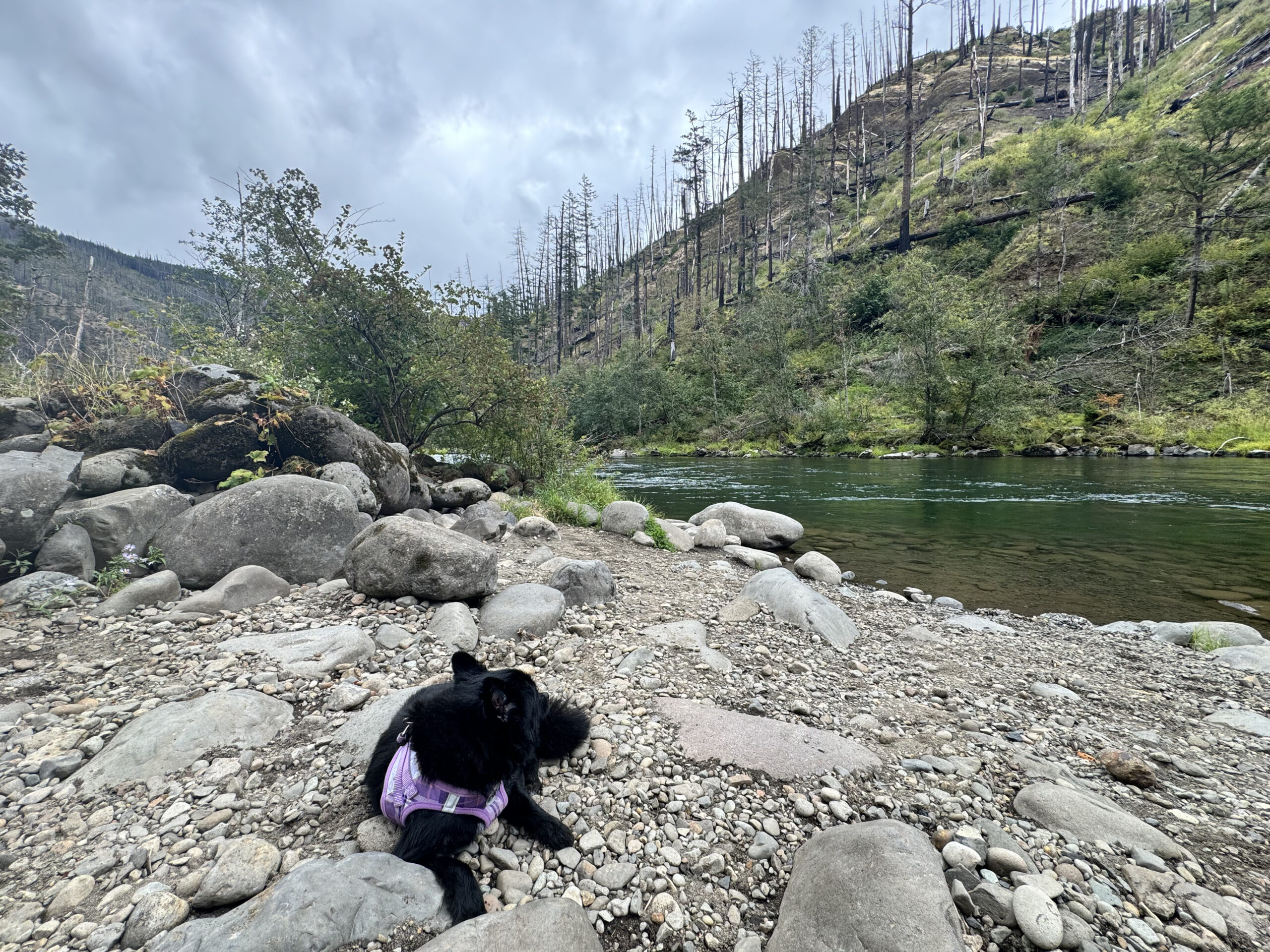
Pesticides include herbicides, insecticides, fungicides, and other products used to manage unwanted plants, insects, or disease. These products can be useful tools, but when they are overused, applied before rain, or carried away by wind and irrigation, they can reach nearby waterways and affect aquatic life.
The Clackamas River Basin Council participates in Oregon’s Pesticide Stewardship Partnership, or PSP. Through this voluntary, non-regulatory program, CRBC and its partners use water-quality monitoring and local outreach to identify concerns and encourage practices that keep pesticides where they are intended to work.
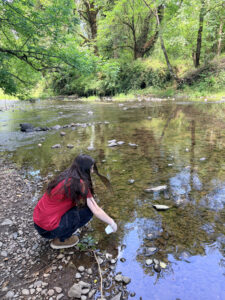
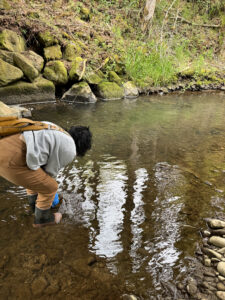
CRBC samples five tributaries: Sieben Creek, Noyer Creek, North Fork Deep Creek, Clear Creek, and Rock Creek. Samples are analyzed by the Oregon Department of Environmental Quality for more than 130 pesticides. This information helps partners understand what is reaching local streams and where education or additional resources may be useful. You can learn more about CRBC’s water-quality monitoring and PSP work.
You can view the public DEQ data here via their data viewer tool.
At home, pesticide reduction can start with simple steps: correctly identify the problem before treating it, tolerate a little plant or insect damage, pull or dig weeds when possible, choose the least-toxic effective option, follow the label, and never apply before rain or when wind could cause drift.
Residents can also take CRBC’s Parting with Pesticides Pledge to reduce or eliminate pesticide use on their property and receive a free metal yard sign!
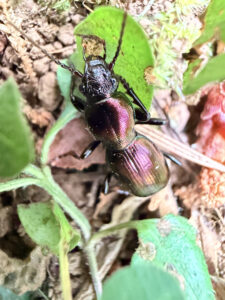 a river-friendly yard doesn’t have to be perfect
Lawn care is another place where everyday choices matter. A healthy lawn can slow runoff and hold soil in place, but too much water, fertilizer, or pesticide can wash off the landscape instead of helping it.
Try a few simple practices:
- Water early in the morning and only when the lawn needs it. Avoid watering sidewalks and driveways, where water quickly runs into storm drains.
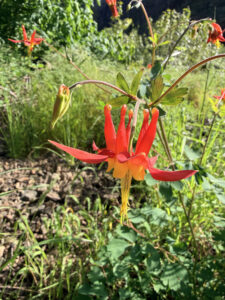 Mow a little higher and leave grass clippings in place when practical. Taller grass develops deeper roots, and clippings return nutrients to the soil.
- Test your soil before adding fertilizer, and use only the amount your lawn actually needs. Never fertilize immediately before heavy rain.
- Improve bare or compacted soil with compost and mulch so water can soak in rather than run off.
- Replace hard-to-maintain or unused lawn areas with native plants, shrubs, or ground covers that need less summer water and provide habitat for birds and pollinators.
The goal is not a flawless yard. It is a landscape that works with our climate and keeps soil, nutrients, and chemicals out of nearby streams.
 Other Small Actions That Protect the Water Trail
Water quality protection can become part of both your routine at home and your next river trip:
- Pick up pet waste. Rain can carry bacteria and excess nutrients into storm drains and streams.
- Keep vehicles maintained and clean up oil or fluid leaks promptly.
- Wash vehicles at a commercial car wash, where wash water is managed, rather than allowing soap and grime to enter a storm drain.
- Stay on established trails and avoid trampling streamside vegetation. Plant roots hold banks together, filter runoff, and provide shade that keeps water cooler.
- Pack out everything you bring and safely pick up litter when you can. Review the Water Trail’s stewardship and drinking-water tips before you go.
- Clean, drain, and dry boats and gear to help prevent aquatic invasive species from spreading between waterways.
Follow the Water and Be Part of Its Story
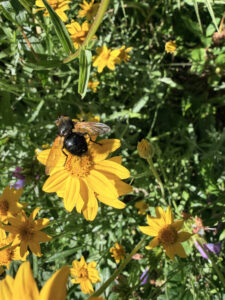
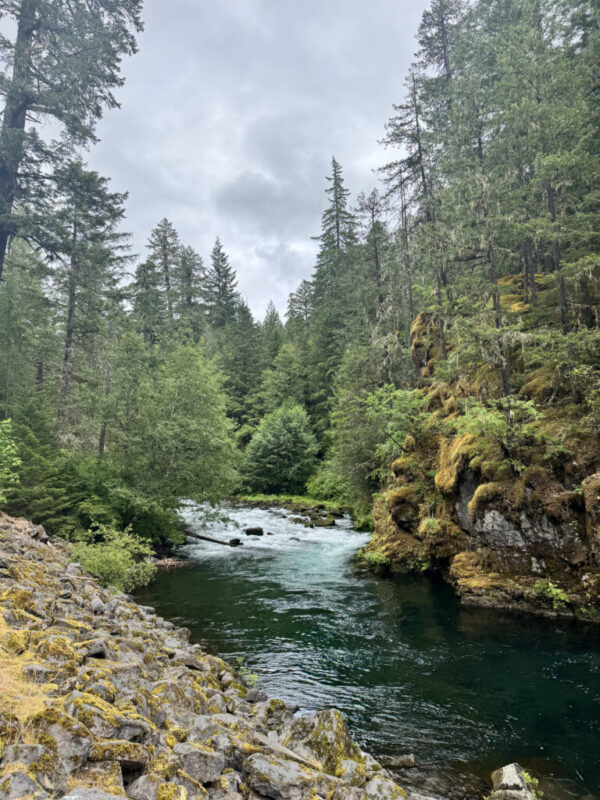
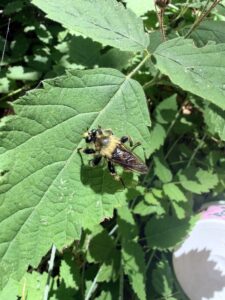
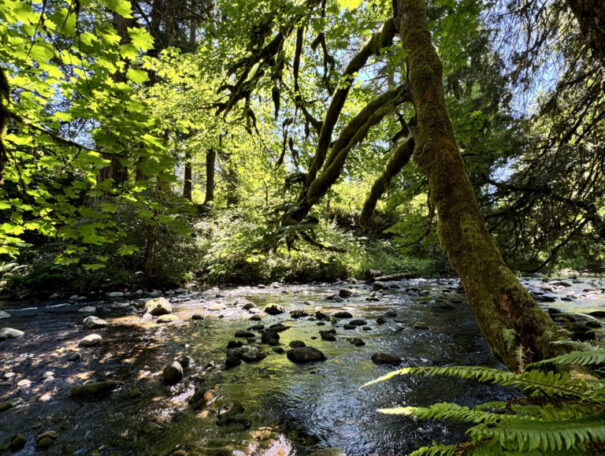
The next time you explore the Clackamas, take a moment to look beyond the surface. Notice the shade from streamside trees, the cool water entering from a tributary, the insects moving along the shore, or the gravel and wood creating places for fish to rest. These are all pieces of a healthy river system.
Before heading out, use the Clackamas Water Trail interactive map to choose a route, locate official access points, and learn more about the places you will pass. Check current conditions, review river safety and etiquette, and plan to leave the river a little better than you found it.
Every Clackamas River adventure is possible because of the water itself.
Protecting its quality keeps the Water Trail welcoming for paddlers, floaters, anglers, wildlife, and everyone downstream who turns on a tap. Whether you change one lawn-care habit, reduce pesticide use, pick up pet waste, or carry out a few pieces of litter, your actions become part of the river’s journey too.
Want to do more?
The Clackamas River Basin Council is a nonprofit watershed council that works with partners and communities to restore and protect the Clackamas River watershed. Visit clackamasriver.org to learn about water-quality programs, volunteer opportunities, and ways to get involved.
Thank you for caring
The Clackamas River is undoubtedly an irreplaceable environmental treasure for all living creatures in the basin, thank you for your care and dedication to keeping it clean and pristine.
 About the Author:
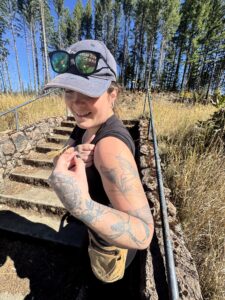
Dakota Hufford is the Outreach & Stewardship Coordinator for the Clackamas River Basin Council (CRBC).
All photos used were taken by Dakota or she has obtained permissions.